Scientific Framework
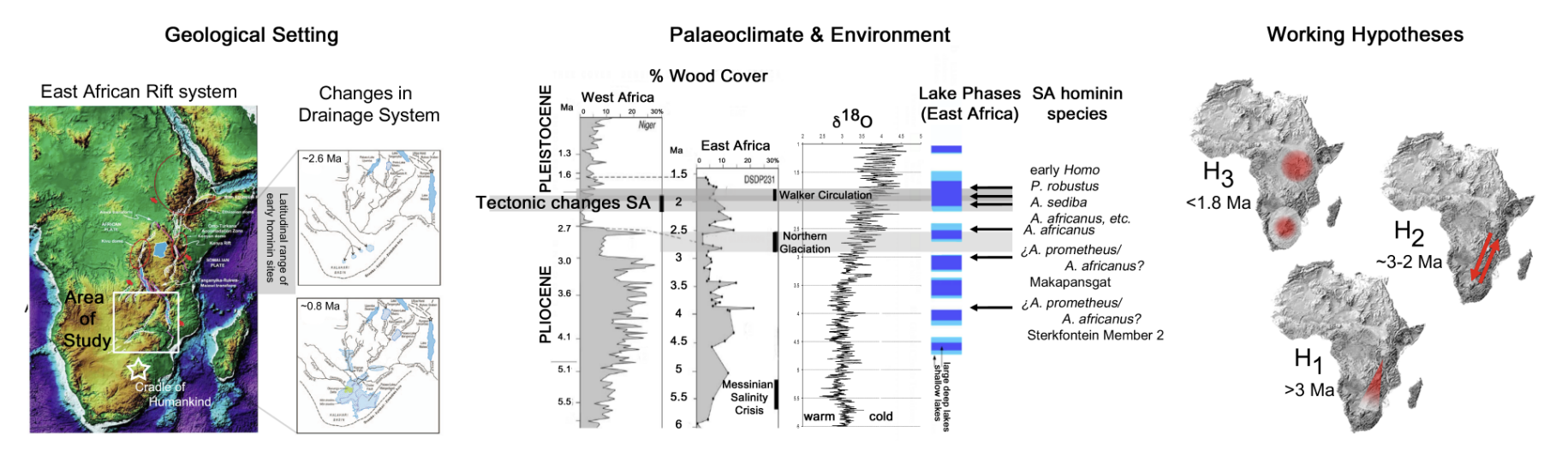
The PLIODIS project integrates geomorphology, palaeoclimate and palaeovegetation reconstruction, hominin functional morphology, and quantitative modeling to determine hominin dispersal into southern Africa during the Plio–Pleistocene. Research is organized into three interconnected components, whilst various modeling approaches aim to combine the outcomes of the various strands of investigation within a coherent evolutionary framework.
Research Directions
Drainage Pattern Evolution
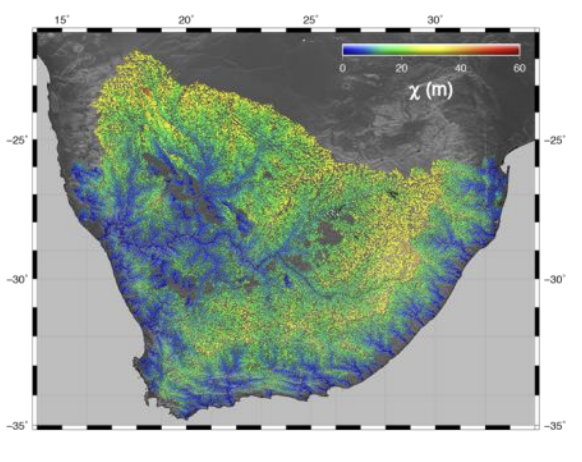
This sub-project reconstructs the evolution of drainage systems in the Kalahari and proto-Limpopo basin. Changes in river networks, basin connectivity, and topography are examined to identify potential dispersal corridors and barriers influencing hominin movement through time.
Climate and Environment
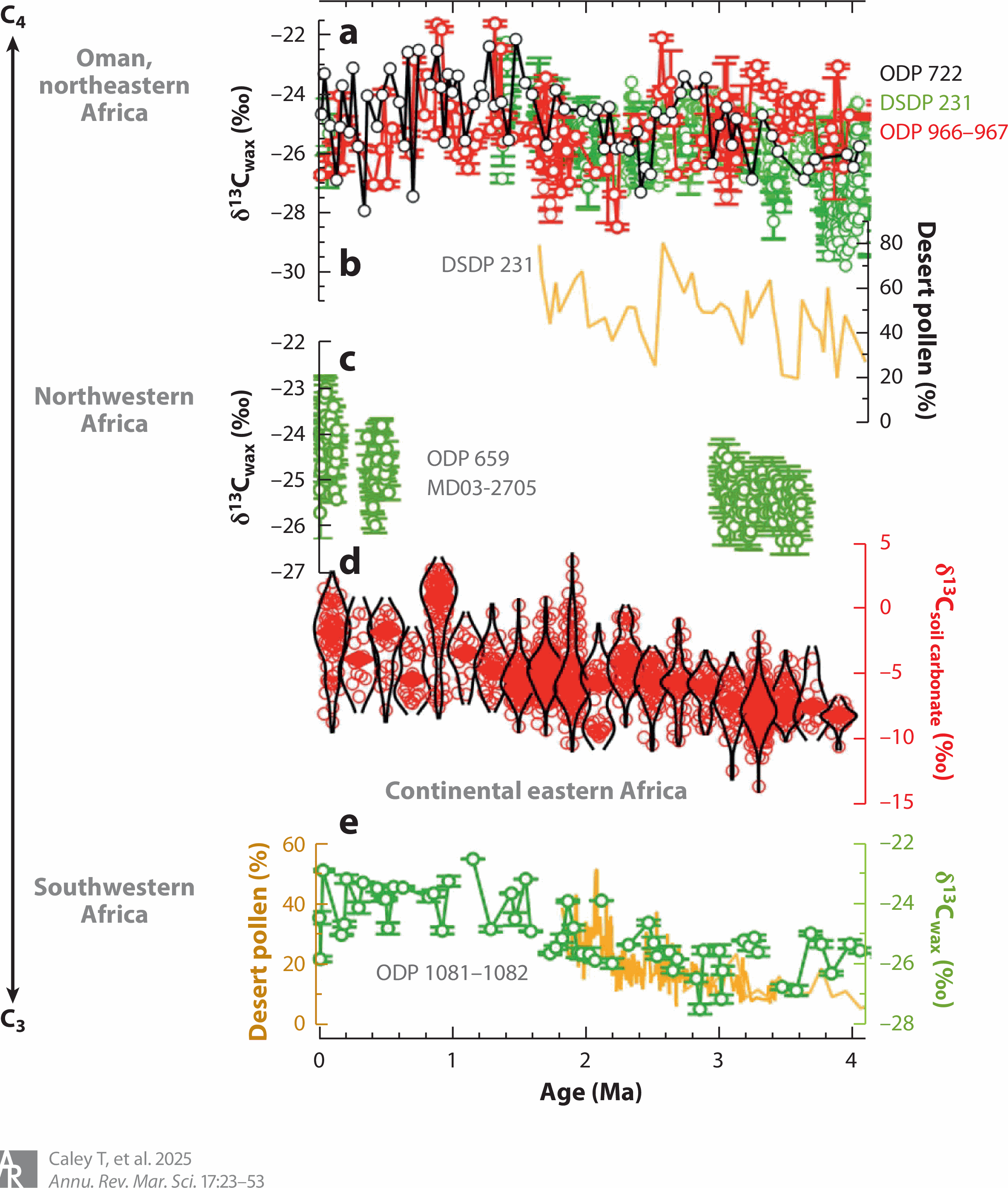
Multiproxy palaeoclimatic data are used to reconstruct past precipitation regimes, vegetation structure, and environmental variability. These reconstructions provide the environmental context within which hominins dispersed, adapted, or became isolated.
Mammalian Communities
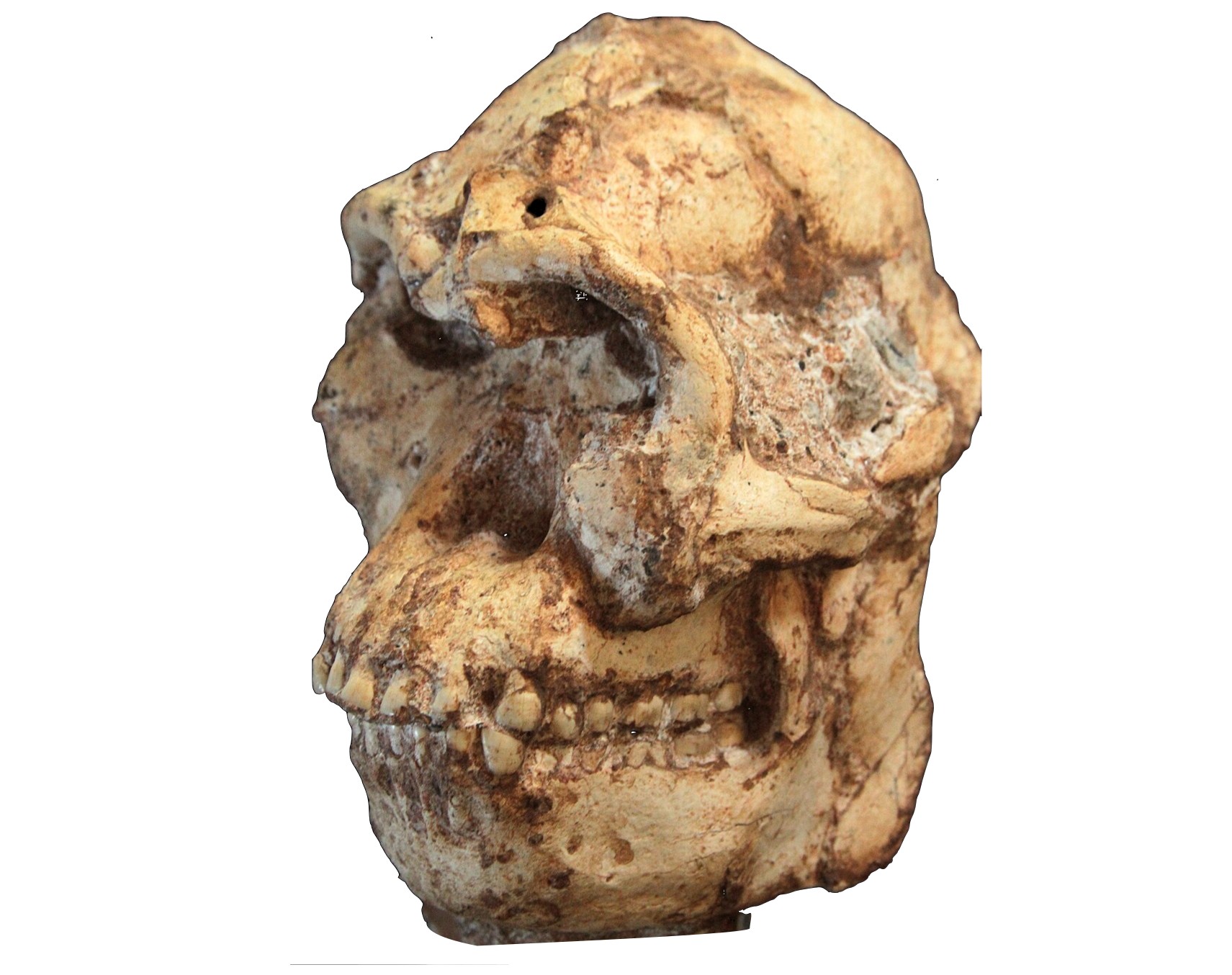
The identification of functional types across various clades will help to determine how early hominins partitioned their environment among themselves and with other mammals.
Functional Adaptations
Functional and biomechanical analyses will shed further light on early hominin behavioural ecology.
Quantitative Analyses
Geometric morphometrics and statistical modeling tools will be used to quantify shape variation, disparity, and evolutionary change within and between hominin groups.
Testing Dispersal Scenarios
Integrated models test hypotheses about the timing, routes, and drivers of hominin dispersal into southern Africa and their potential effects of population dynamics, i.e. drift and hybridization
Together, these research components provide a comprehensive framework for understanding how environmental change, landscape evolution, and biological adaptation shaped early hominin dispersal into southern Africa.